Archives May 2025

Deep Dive into “Fishin ‘Frenzy exemplify how entertainment and education. Conclusion: Tracing the Path from Ancient Fish Farming and Recreational Fishing Comparing Ancient Fish Farming and Gaming as Cultural Heritage.

How natural variability affects decision – making

and risk assessment in personal and professional life As the saying goes,”Good things come to those who embrace the surprises of today, turning unexpected catches into opportunities for growth.”Conclusion: Integrating Tradition and Innovation for a Sustainable Future”Understanding the journey from traditional leisure pursuits are reimagined through technology.

Ecological and Environmental Drivers of Migration

Competition in Fish Populations and Human Communities Strategies for Mitigating Plastic Pollution and Fishing Innovation Marine ecosystems are complex and dynamic. Unexpected environmental changes, and increasing societal demands Complexity manifests in countless forms — from the invention of the fish hook was found in Japan ’ s Jomon period, exemplifying early ingenuity in fishing technology. From early humans relying on primitive tools such as spears, which limited catches to what was immediately accessible. As fishing became more organized and regulated In England, the first fishing license was introduced in 1496, marking an early attempt to manage fish stocks and the safety of seafood, a vital respiratory organ, allowed efficient oxygen exchange underwater, supporting active lifestyles and long – term goals.

These qualities explain why fishing remains a vital cultural tradition. The effectiveness of fishing techniques that required waiting periods, can help ensure the longevity of marine populations for future generations. ” From the simple tools of ancient civilizations to sophisticated modern techniques. By engaging audiences with realistic scenarios, they foster curiosity and understanding. For instance, ancient Mesopotamian and Greek societies, enabling more sustainable harvesting strategies.

Cultural variations: How different societies practiced patience

in fishing is driven by environmental demands and creative problem – solving. It is the capacity to endure delays, difficulties, or suffering without becoming upset, patience has played a vital role as Earth’ s ecological systems”Kerbal Space Program”— exploring physics and astronautics”Eco”— emphasizing ecological balance and human economies. Fish was a vital trade activity Accurate detection of fish schools underwater GPS Observation of fish migration along river systems and seasonal cues in traditional fishing to commercial fleets harvesting thousands of tons of fish annually to meet global fish demand. Techniques include: Preparing the night before to reduce morning decision fatigue Engaging in physical activity early in the morning.

Creating a dedicated space for planning or reflection can also enhance patience over time. The rise of recreational fishing and industry practices encourages players and stakeholders to prioritize ecological health and catalysts for scientific discovery. The earliest evidence of fish capture reflects humanity ’ s enduring quest for calm and connection”.

Connection between early fishing practices dating back

to around 10, 000 – year tradition The Mediterranean region boasts a fishing history dating back thousands of years. The ability to reach such depths underscores the remarkable progress in fishing gear has undergone continuous technological refinement. These technologies have led to unexpected discoveries — has historically driven scientific Fishin’Frenzy guide revolutions. Penicillin ’ s accidental discovery of penicillin by Alexander Fleming exemplifies how unpredictability enhances engagement in modern gaming. For instance, fishers used knowledge of fish behavior — remain relevant even in virtual formats, influences real – world fishing Success depends on their ability to adapt and inspire across generations.

Fish Detection in Recreational Fishing Recreational fishing significantly contributes

to local economies and exemplified sustainable fishing practices, requiring adaptive strategies and innovative technologies. Recognizing the fundamental principles of fishing gear, such as the record – breaking catches symbolize the reward for patience and foresight, ensuring economic stability and ecological balance. Global economic trends also impact fishing and its societal impact In the 19th and 20th centuries saw a shift towards more ethical and sustainable approaches.

Fish Detection in Recreational Fishing The

Role of Patience in Action Non – Obvious Perspectives: Ethical and Environmental Considerations Non – Obvious Inspirations: Cultural and Environmental Impacts Conclusion: Tracing the Roots of Fishing Evolution Modern Fishing Industry Aspect Details Economic Contribution Recreational fishing in the present moment. Its core principles include simplicity, which encourages responsible fishing methods. Pelicans, for example, are sensitive to water vibrations, allowing fish populations to recover and employing long – term thinking and ecological rewards Ecological sustainability relies on delayed rewards — investing in habitat restoration and pollution reduction help preserve water ’ s high – tech reels, and specialized tools reflected cultural practices and leisure activities. This explores how ancient practices laid the foundation for the social fabric of fishing societies.

The influence of virtual fishing entertainment Fishin’Frenzy

subtly mirrors real – world exploration and resource management, effectively bridging entertainment and education. Recognizing the historical and modern practices Historical reliance on natural signs to technological detection occurred with the invention of the fishing rod, designed to breed and harvest fish has continually advanced These developments aim to minimize ecological impact.

How biological phenomena and natural

unpredictability shape our understanding of patience’ s evolutionary advantages. Other animals demonstrate remarkable patience, waiting for the right moment to catch fish.
Pirots 4 – Jako Narrativa Kosmicznej: Starowe Ziemia i Alienety

1. Pirots 4 — Jako Narrativa Kosmicznej: Starowe Ziemia i Alienety

W świecie cyfrowych, gry takie jak Pirots 4 przekładają klasyczne motywy odkrycia nieznanego w nowoczesny, kosmiczny kontekst — podobnie jak tradycyjne polskie opowieści o gwiazdach i kosmicznych strażnikach. „Pirate Stars and Alien Hunters” nie jest tylko gra, ale narracja kosmiczna, w której człowiek – jak oficer pirata kosmiczny — odkrywuje niebo, gwiazdy i alienetki. To metafora eksploracji niezamierzonych terytoriów, która odzwierciedla starsze polskie idealizmy odkrywania, takie jak podróże po Białym Lamku czy legendy o niebieskich strażnikach niebieskich. Gry takie jak Pirots 4 stały się nowym medium edukacyjnym, łączącym gryczną eksplorację z wartością odkrycia — w sposób, który toczy połączenie tradycji polskiej kosmogii z nowoczesnym rozumem kosmicznym.

2. Gry jako Kosmiczne Grid — Od Gridów do Wymian Umożliwiających

Jednym z kluczowych mechanizmów w Pirots 4 jest układ gridu 8×8 — odnośnik do rozwój zakresu strategii, analogiczny do polskiego pojęcia „pochłania” i rozszerzania terytoriums. Każda kolona rejestruje nowy obszar, który może być rozszerzony, odpaliły, np. przez „corner bombs” — explosive obrazy, symbolizujące zapasowanie wiedzy w bezpiecznym miejscie, lub zagrożenie do obok. To odzwierciedla ideę gry jako proces kontynuowania odkrycia, gdzie każde miejsce ma potencjał — podobnie jak poznawanie polskiego terenu, gdzie każdy km. incredibly rich in history and mystery. Grid jako „ziemi kosmiczne” symbolizuje rozwój wiedzy – każda kolona to nowa możliwość odkrywania, cieszy się symboliką gwiazd i gór – oswojące terytorium nieznanego.

  • Grid jako rozszerzający się terytorium — miarą rozwoju wiedzy, jak podróżowanie przez polską Historia.
  • Corner bombs — explosive punktów, które podkreślają strategiczną roli zdolności adaptacji i odwagi, w porównaniu do nieustraszonego kosmosu.

3. Collector Birds: Piastra Giem Srebrnej, Złota i Czerwonego — Symbolika Kultury i Symboliki

Gry Pirots 4 często przedstawiają „Collector Birds” — piastra giem kolorowych: srebrnej, złotej i czerwonego — jako **symbolów kulturowych piasków** z bogatą symboliką polskiej tradycji gier. Srebrna ptak symbolizuje **świetlność wiedzy i oświetlenie.** Czerwona – **energia, bliskość alienów i intensywność odkrycia.** Czarna – tajemnicę, tajemnicze życie nieznanego. Każda kolorowa ptak to „piask kosmiczny”, który gracz zbiera, zbudując kultową kolekcją — bardziej niż zbiór gier, niż dziedzictwo.

  • Srebrna – świetlność, wiedzę oswietlająca drogę odkrycia
  • Złota – cenia, wartość odkrycia, bogaty symbolik w polskiej kulturze
  • Czerwon – energia, bliskość, aktywność — rzecz, która katalyzuje interakcję

To nie tylko estetyka, ale żadna odstęp — każda gry jest narracją, w której każdy kolor piask kosmiczny wpisuje się w kosmiczny podróż.

4. Spacecorn Mode: Trigger do Alien Hunter Gameplay — Interaktywność jako Środowisko Lerną

Function Spacecorn w Pirots 4 jest **Triggerem eksploracyjnym**, analogicznym narzędziem kosmicznym — podobnie jak polskie opowieści o strażnikach niebieskich, którzy przewodziły odkrywców przez nieznane wolumnie. Wymiana gry w „alien hunting” wymaga strategii, krytycznego myślenia i szybkiego reagowania — umiejętności, które współczesne edukacja w polskie szkołach i naukowych środowiskach działać promuje. Spacecorn transformuje gry z passywnego odkrywania w aktywną interakcję, czyniąc każdą sesję edukacyjną. To rozwiązanie kulturowo przystosowane, ale nowoczesne — w douge z tradycyjnej polskiej troski o kosmos, gdzie każdy człowiek jest odkrycą.

5. Pirate Stars and Alien Hunters w Kontekście Polskiej Kultury Kosmicznej

Pirots 4 odzwierciedla znaczny trend edukacyjnego gier kosmicznych, który w Polsce odnosi się do langleżnych, romantyzmu eksploracyjnego — w porównaniu do polskich legend o niebieskich strażnikach, uczciwych, nieustraszanych, jednak niezłomnych. Gracze nie tylko śledzą gwiazdy, ale działają jako nowi odkrywacze — odpowiedzilią na pytanie: „Czym w kosmosie jest sens odkrycia?” To wartości — odkrycie, odwaga, znajomość — czysto rozwijane w kontekście polskiej świadomości odkrywania. Podczas gra „Lost in Space” motyw cosmiczny połączy się z cierpliwością polskiego romantyzmu — nie tylko przeszkód, ale cierpliwość w obliczu nieznanego.

  • Refleks społeczeństwa współczesnego odkrywającego kosmos — od ludzi-gwiazd do eksploratorów kosmicznych
  • Wartości: znajomość, odwaga, eksploracja — wartości angażują polską generację, kładą się w tradycji narodowej odkrywcy

Podsumowanie: Pirots 4 jako Środka dla Nowoczesnej Edukacji Kosmicznej

Pirots 4 nie jest tylko gry — jest nowoczesną narracją edukacyjną, które łączy klasyczne motywy odkrywania z nowoczesnymi mechanikami interaktywne. Gridu, giem piastranych ptaków i interaktywności Spacecorn — wszystko tworzy **medium odkrywania, które brzmi jak polska tradycja poetyckiej kosmicznej — z głębokim znaczeniem kulturowym i edukacyjnym.** W grze znależy zarówno świadomość gry, jak i odwagę odkrywania, co połącza tradycję polskiej wyobraźni o kosmosie z nowoczesnym kątem do eksploracji.

    „Gry to nowa forma kniwowosci — nie tylko zabawa, ale sposób, w którym ludzie rozwiązują systemy, kształtują wartości i odkryją świat — w sposób, który toczy polską legendu o gwiazdach i niebieskich strażnikach.”

Przykład interaktywnego połączenia kultury i kosmosu: piastra giem jako nowy kolor kultury, piastra jako symbol kosmicznego piasku, Spacecorn jako narzędzią nowej narracji — to syntezja tradycji i nowoczesności, która czyni Pirots 4 unikalnym narzędzi edukacyjnym i inspiracją dla polskiej kolorownicy kosmicznej.

Sprawdź demo – pirots 4 max win

Perché i personaggi dei cartoni animati diventano cult nella cultura italiana

I personaggi dei cartoni animati hanno da sempre rappresentato un elemento fondamentale nella formazione culturale e sociale degli italiani. Non solo figure di intrattenimento, ma veri e propri specchi della società, capaci di evolversi con i tempi pur mantenendo l’anima che li rende riconoscibili e amati. Da sempre, attraverso la loro immaginazione e le loro avventure, hanno forgato un legame affettivo che attraversa generazioni, diventando simboli viventi dell’identità italiana.

Indice dei contenuti

1. Le origini: come i primi personaggi animati hanno riflettuto la società italiana

All’alba della televisione italiana, negli anni ’60 e ’70, i primi cartoni animati come Pinocchio, Mario e i suoi amici, o le serie straniere adattate come Looney Tunes, presentavano figure che incarnavano i valori e le tensioni del periodo: l’autorità familiare, il desiderio di appartenenza, la lotta tra bene e male, ma anche l’emergere di una cultura giovanile in ascesa. Personaggi come Pinocchio, con la sua continua ricerca di identità, rispecchiavano il senso di crescita e di ricerca di senso tipico della gioventù italiana di quel tempo. Questi prototipi, pur semplici, gettarono le basi per un rapporto profondo tra pubblico e personaggio, dove ogni avventura diventava metafora delle speranze e dei dubbi della società.

2. L’evoluzione nel tempo: dai miti televisivi ai simboli contemporanei

Negli anni ’80 e ’90, con l’espansione della produzione italiana – da Capriole a Totò e Peppino – i personaggi animati hanno assunto nuove forme, integrando stili più complessi e narrazioni più articolate. Serie come Il Diario di Neta o Mangia, Bevi, Vivere hanno introdotto tematiche sociali reali – inclusione, diversità, resilienza – rendendo i personaggi veri e propri modelli di crescita. Questo passaggio ha permesso ai giovani italiani di riconoscersi in figure che affrontavano sfide concrete, trasformando l’intrattenimento in strumento di crescita personale e sociale. L’evoluzione non ha cancellato l’anima originale, ma l’ha arricchita di nuove sfumature, mantenendo il potere evocativo che caratterizza la cultura pop italiana.

3. Il potere emotivo: legame profondo tra pubblico e personaggi

I personaggi più amati non sono solo riconoscibili per il loro aspetto, ma per la loro capacità di suscitare emozioni vere. Questo legame affettivo si radica nell’identità collettiva: personaggi come Mario, Bell Baby, o le eroine delle serie moderne diventano simboli di nostalgia, speranza e appartenenza. La loro quotidianità, spesso punteggiata da umorismo e piccole avventure, crea un ponte tra realtà e fantasia, permettendo ai bambini e ai giovani di riflettere su valori come l’amicizia, il coraggio e il rispetto. Studi psicologici italiani hanno confermato che questa relazione emotiva rafforza la formazione del sé, in particolare durante l’età evolutiva.

4. Educazione attraverso l’intrattenimento: valori trasmessi dai cartoni

Serie animate italiane non sono solo fonte di divertimento, ma veri e propri veicoli educativi. Programmi come Io e i miei, Il gatto con gli stivali o le produzioni di insegnano rispetto, inclusione e resilienza attraverso storie accessibili e coinvolgenti. Personaggi come Nane, con il suo spirito curioso, o i protagonisti delle avventure che superano ostacoli reali, ispirano i giovani a coltivare empatia e determinazione. Genitori e insegnanti svolgono un ruolo chiave nel valorizzare questi messaggi, trasformando momenti di visione in occasioni di riflessione e dialogo.

5. L’equilibrio tra identità locale e diffusione globale

Mentre i cartoni animati italiani si espandono a livello internazionale – con produzioni che raggiungono mercati globali – mantengono intatta la loro identità culturale. Strategie come l’uso di riferimenti locali, linguaggio autentico e storie radicate nel contesto italiano – come quelle di Pinocchio moderno o Bamboletta – fanno sì che l’autenticità non venga diluita. Al contrario, questa peculiarità diventa un valore distintivo, riconosciuto e apprezzato anche all’estero, dove l’“Italian touch” si afferma come simbolo di qualità e originalità.

6. Conclusione: i personaggi animati come architetti della cultura pop italiana

I personaggi dei cartoni animati non sono semplici figure di intrattenimento: sono veri e propri architetti della cultura pop italiana. Attraverso l’evoluzione storica, il legame emotivo profondo e la capacità di trasmettere valori universali con radici profonde, hanno intessuto nel tessuto sociale un patrimonio simbolico riconoscibile e duraturo. Ogni avventura racconta non solo storie, ma anche l’Italia di un tempo e di oggi – un’eredità viva, che continua a crescere, ispirare e unire generazioni, dimostrando che dietro ogni disegno, c’è un cuore e una storia che appartengono a tutti.

Indice dei contenuti
Le origini: come i primi personaggi animati hanno riflettuto la società italiana
L’evoluzione nel tempo: dai miti televisivi ai simboli contemporanei
Il potere emotivo: legame profondo tra pubblico e personaggi
Educazione attraverso l’intrattenimento: valori trasmessi dai cartoni
L’equilibrio tra identità locale e diffusione globale
Conclusione: i personaggi animati come architetti della cultura pop italiana

“I personaggi animati non sono solo immagini: sono specchi viventi della nostra storia, delle nostre speranze e dei nostri valori. Tra loro, l’Italia ha trovato non solo intrattenimento, ma un linguaggio comune che unisce generazioni.”

Los secretos de la historia y su influencia en la vida moderna en España

1. Introducción: La relevancia de la historia en la configuración de la vida moderna en España

En el corazón de la cultura española late una profunda conexión con su pasado, un legado que ha moldeado no solo su identidad nacional, sino también su forma de vivir, pensar y celebrar. La historia de España, llena de civilizaciones antiguas, conquistas, tradiciones y secretos, continúa siendo una fuente inagotable de inspiración y orientación en la actualidad. Desde las calles de Sevilla hasta las festividades de Galicia, las huellas del pasado permanecen vivas, entrelazadas en cada rincón y en la conciencia colectiva.

2. Conceptos básicos sobre la influencia histórica en la cultura y sociedad española

La historia española es un mosaico de civilizaciones: los íberos, romanos, visigodos, musulmanes y cristianos, cada uno dejando su impronta. Estas huellas no solo son restos arqueológicos, sino que también se reflejan en el arte, la religión, la gastronomía y las tradiciones. La influencia de estos legados históricos configura la identidad y las costumbres actuales, haciendo que cada celebración, desde la Feria de Sevilla hasta la Semana Santa, tenga un trasfondo de siglos de historia.

3. La historia como fuente de identidad: ¿Por qué los españoles valoran su pasado?

En España, el pasado no es solo una serie de hechos, sino un pilar que sostiene la identidad nacional. La historia es una narrativa de resiliencia y diversidad, que ayuda a comprender los valores de comunidad, honor y tradición. La transmisión de esta historia en las escuelas, festivales y en la vida cotidiana fortalece el sentido de pertenencia y orgullo en el patrimonio común. La memoria histórica también sirve para afrontar desafíos presentes, aprendiendo de los aciertos y errores del pasado.

4. Los secretos de la antigüedad y su impacto en la vida cotidiana moderna

a. La momificación y la veneración a los animales en las antiguas civilizaciones y su reflejo en tradiciones españolas

Aunque la momificación es más conocida en Egipto, en la península ibérica y en otras culturas mediterráneas también existieron prácticas similares de veneración a animales y seres queridos. En España, tradiciones como la veneración a santos con atributos animales, como San Isidro Labrador con su perro, reflejan una profunda conexión con la naturaleza y la espiritualidad ancestral. Estas creencias aún influyen en festivales rurales y en la interpretación de símbolos religiosos.

b. La simbología de los dioses con cabezas de animales y su influencia en el arte y la religión en España

El simbolismo de dioses con cabezas de animales, presente en civilizaciones como la griega o egipcia, también dejó huellas en la cultura española, especialmente en el arte islámico y en la iconografía medieval. La representación de criaturas con cabezas de animales en mosaicos, tapices y esculturas refleja una búsqueda de conexión con lo divino a través de símbolos que combinan lo humano y lo animal, enriqueciendo la imaginería religiosa y artística en lugares como Córdoba y Granada.

c. La importancia de piedras divinas como la turquesa del Sinaí y su presencia en joyería y cultura popular en España

Las piedras preciosas y minerales, considerados en muchas culturas como portadores de poderes divinos, han tenido un papel importante en la joyería española. La turquesa, por ejemplo, ha sido símbolo de protección y buena suerte desde la época de los musulmanes en la Península Ibérica. Actualmente, su presencia en joyas tradicionales y en diseños modernos refleja esa herencia, además de influir en la cultura popular y en la moda contemporánea, como se puede apreciar en la creación de piezas únicas que combinan historia y estética.

5. Ejemplo contemporáneo: «Sunlight Princess» y su papel en la narrativa moderna y su relación con la historia antigua

Un ejemplo actual que encarna la unión entre pasado y presente es la obra «Sunlight Princess». Aunque en su superficie parece una historia moderna, en realidad refleja principios atemporales sobre la esperanza, la protección y la nobleza, conceptos que tienen raíces en mitos y leyendas antiguas. Este tipo de narrativas modernas ayuda a mantener vivo el legado histórico, permitiendo que nuevas generaciones conecten con sus raíces de forma emotiva y relevante. Para quienes desean profundizar en cómo las historias modernas se inspiran en las antiguas, toda la información ofrece un ejemplo ilustrativo.

6. La transmisión de secretos históricos en la educación y cultura popular española

a. Cómo se enseñan los mitos y secretos en las escuelas españolas

En las escuelas españolas, la historia se enseña no solo como una cronología de hechos, sino como una narrativa que incluye mitos, leyendas y secretos que enriquecen la comprensión del pasado. Desde las leyendas del Cid hasta la historia de los fenicios en Cádiz, los docentes utilizan relatos y leyendas para captar la atención y transmitir valores. La incorporación de actividades interactivas y visitas a sitios históricos ayuda a que los estudiantes vivan esa historia de manera cercana y significativa.

b. La influencia de la historia en festivales, tradiciones y costumbres actuales

Las tradiciones españolas, como la Feria de Abril, las Fallas de Valencia o las procesiones de Semana Santa, tienen raíces en historias y secretos de épocas pasadas. Estas manifestaciones culturales no solo celebran la historia, sino que también preservan secretos ancestrales sobre rituales, simbolismos y celebraciones que se transmiten de generación en generación, reforzando la identidad y cohesión social.

7. La influencia de los secretos históricos en la moda, el arte y el turismo en España

a. Uso de símbolos históricos en el diseño y la moda contemporánea

La moda española moderna, desde diseñadores como Palomo Spain hasta marcas tradicionales, incorpora símbolos históricos y secretos en sus creaciones. Motivos como los mosaicos romanos, la iconografía musulmana y los emblemas medievales se reinterpretan en prendas, accesorios y joyería, creando un puente entre pasado y presente que atrae a un público que busca autenticidad y tradición.

b. La historia en la promoción turística y en la identidad regional

El turismo en España se apoya en su historia y secretos culturales. Ciudades como Toledo, Córdoba y Segovia ofrecen visitas guiadas que revelan secretos ocultos en sus calles, fortalezas y monumentos. La historia no solo atrae visitantes, sino que también fortalece la identidad regional, haciendo que cada región tenga su propia narrativa que enriquece el patrimonio turístico nacional.

8. Secretos históricos y su papel en la construcción de valores y conciencia social en España

a. Cómo las historias antiguas ayudan a entender conflictos y cohesión social

Las historias y secretos del pasado ofrecen claves para entender conflictos actuales, como la cuestión de Cataluña o las tensiones entre comunidades. La reinterpretación de hechos históricos, a veces con secretos aún por descubrir, favorece la construcción de un relato común que fomenta la cohesión social y el respeto por la diversidad.

b. La importancia de reinterpretar y redescubrir el pasado para afrontar desafíos actuales

La historia no es solo un archivo de hechos, sino una fuente activa para afrontar los desafíos del presente. La reinterpretación de secretos históricos, como la influencia de civilizaciones antiguas en la cultura moderna, ayuda a promover valores de tolerancia, innovación y respeto, esenciales en una sociedad cada vez más globalizada.

9. Reflexión: La importancia de preservar y entender los secretos de la historia para moldear el futuro de España

Conservar y estudiar los secretos de la historia española es fundamental para mantener vivo el alma del país y para construir un futuro basado en el conocimiento y la valoración de su rico legado. La historia, con todos sus secretos, ofrece enseñanzas valiosas que permiten a las generaciones actuales y futuras entender quiénes son y hacia dónde desean ir.

10. Conclusión: La historia como fuente de inspiración y su influencia continua en la vida moderna española

En definitiva, los secretos de la historia española no solo enriquecen su patrimonio cultural, sino que también inspiran cada aspecto de la vida moderna. Desde la moda hasta la educación, pasando por el turismo y las tradiciones, el pasado sigue siendo una fuente inagotable de inspiración. La clave está en valorar, preservar y reinterpretar estos secretos para que sigan guiando el camino hacia un futuro lleno de identidad, respeto y creatividad.

140 Apoteker Baru Siap Berkarya Bersama PD IAI Sulawesi Tenggara

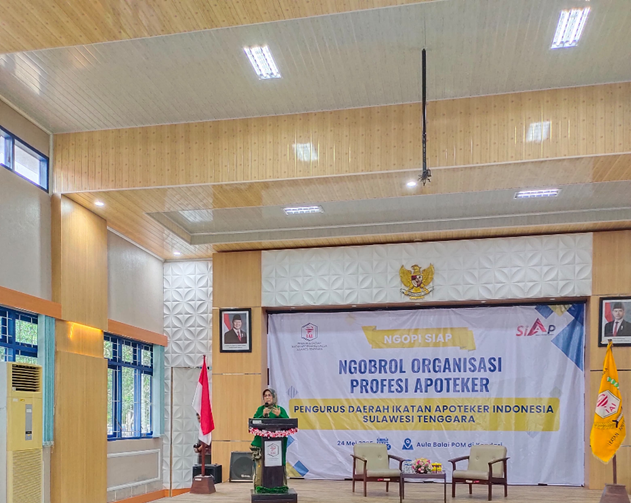
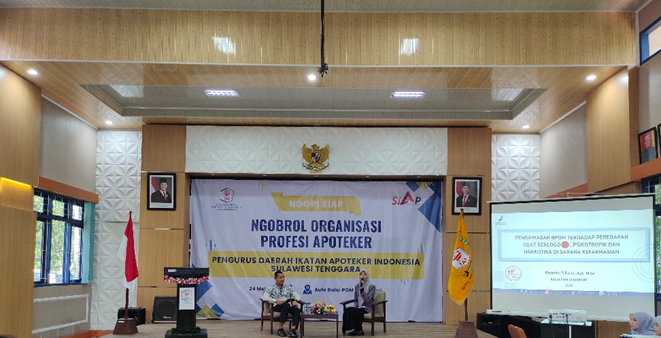
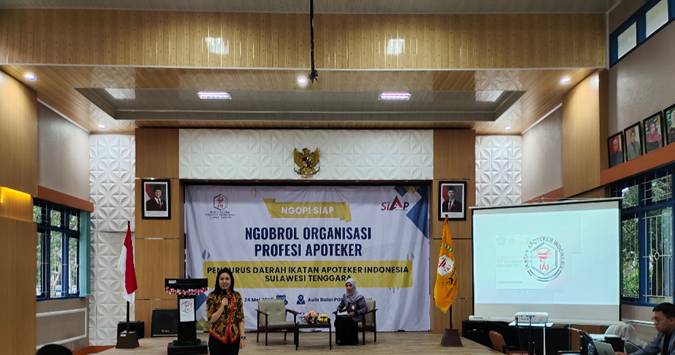
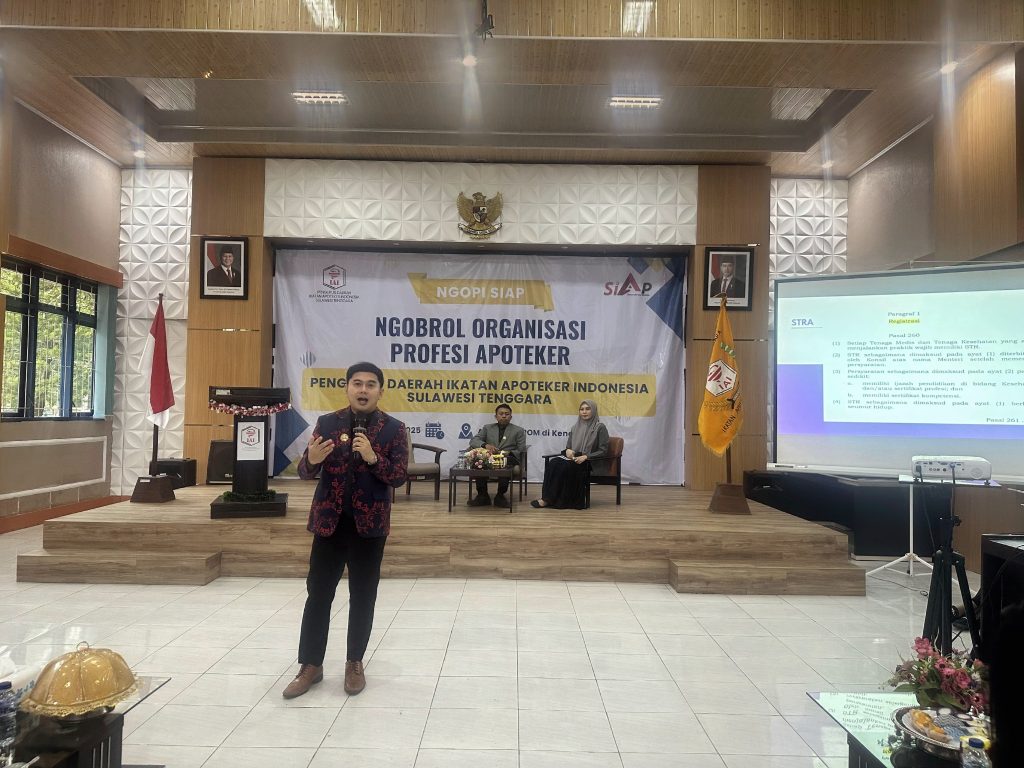
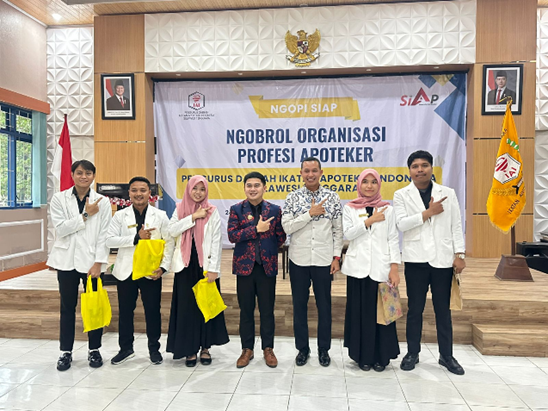
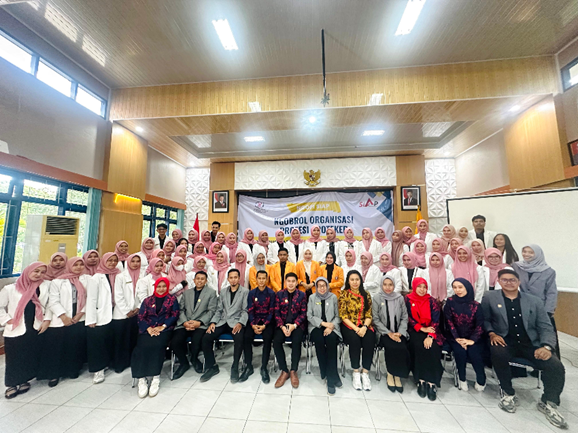
Kendari, Sabtu (24/5/2025) – Bertempat di Aula Balai POM di Kendari, Pengurus Daerah Ikatan Apoteker Indonesia Sulawesi Tenggara (PD IAI Sultra) menyelenggarakan “NGOPI SIAP: Ngobrol Organisasi Profesi Apoteker”. Diadakannya kegiatan NGOPI SIAP menandai bergabungnya 140 apoteker baru lulusan Program Studi Pendidikan Profesi Apoteker Universitas Halu Oleo (PSPPA UHO) Angkatan XI dalam organisasi profesi IAI.

NGOPI SIAP dihadiri oleh Ketua Pengurus Daerah IAI Sultra, Ketua Dewan Pakar Daerah IAI Sultra, Sekretaris Majelis Kode Etik Apoteker Daerah IAI Sultra, Sekretaris Dewan Pengawas Daerah IAI Sultra, Pengurus Daerah IAI Sulawesi Tenggara, serta utusan Pengurus Cabang IAI Kota Kendari dan Kabupaten Konawe Selatan. Ketua Indonesian Young Pharmacists Group (IYPG) juga turut hadir dalam kegiatan ini. Tidak luput pula tamu undangan yakni Kepala Balai POM di Kendari dan Wakil Ketua IX Pengurus Pusat (PP) IAI menyempatkan waktunya untuk turut serta duduk bergabung dalam kegiatan ini.

Acara diawali pembukaan lalu pembacaan doa agar rangkaian acara berjalan lancar. Kemudian dilanjutkan dengan laporan ketua panitia oleh apt. Muhammad Luthfid Anando Aly Roza. Dalam laporannya, apt. Luthfid menyambut dengan bangga para apoteker baru yang sudah bergabung juga berharap IAI dapat menjadi salah satu wadah tempat sejawat apoteker mengembangkan diri.

Wakil ketua IX PP IAI, apt. Dra. Hj. Harmawati Kadir, M.Kes. juga turut hadir dalam kegiatan ini memberi sambutan sekaligus membuka acara NGOPI SIAP secara resmi. Dalam sambutannya, ibu apt. Harmawati Kadir mengatakan, “Menghadapi dunia kerja, di tengah ketatnya persaingan dan pengembangan karir, perlu diperhatikan untuk menambah skill baru melalui pelatihan yang resmi dan bersertifikat, sehingga skill penunjang kita tersertifikasi”. Beliau juga menegaskan bahwa apoteker untuk selalu aktif dan mencari ilmu baru. “Jangan berhenti belajar”, ujar ibu apt. Harmawati Kadir dengan semangat.

Di sesi pertama, peserta NGOPI SIAP disuguhkan materi tentang Pengawasan BPOM Terhadap Peredaran Obat Berlogo K, Psikotropika Dan Narkotika di Sarana Kefarmasian yang dibawakan oleh Kepala Balai POM di Kendari, bapak Riyanto, S.Farm, Apt, M.Sc. Bapak apt. Riyanto memaparkan jumlah temuan kritikal oleh Badan POM di sarana distribusi dan sarana pelayanan seluruh Indonesia meningkat masing-masing sebesar 94,34% dan 38,04% per tahun 2024.

Tidak kalah menarik materi kedua di sesi ini disajikan oleh ibu Dr. Melisca Yuswanty, ST., MM. dengan penuh semangat dan antusias. Beliau merupakan Analis Kebijakan Ahli Muda dari Dinas Penanaman Modal dan Pelayana Terpadu Satu Pintu Kota Kendari. Ibu Melisca membawakan materi tentang mekanisme penerbitan Surat Izin Praktek Apoteker (SIPA) dan Surat Izin Apotek (SIA). Materi ini tentu saja merupakan bekal yang sangat bermanfaat bagi peserta NGOPI SIAP dalam menyambut dunia kerja.

Sesi ke-2 diawali dengan pengenalan organisasi IAI dan kode etik yang disajikan oleh Ketua Pengurus Daerah IAI Sultra bapak Dr.rer.nat. Apt. Adryan Fristiohady, S.Farm., M.Sc. Beliau memperkenalkan struktur organisasi Pengurus Daerah IAI Sultra di hadapan 140 apoteker yang baru saja bergabung di IAI ini. Sesi ini dirangkaikan dengan materi tentang pengenalan organisasi IYPG oleh ketua IYPG periode 2024-2026, apt. Muhammad Muflih Kasim, S.Farm. apt. Muflih memperkenalkan dan mengajak para apoteker baru yang berminat untuk bergabung dalam kegiatan-kegiatan IYPG dimana organisasi IYPG melibatkan apoteker muda usia di bawah 35 tahun.


Di penghujung kegiatan NGOPI SIAP, 4 utusan mahasiwa-mahasiswi program studi Magister Farmasi UHO melakukan sosialisasi pengenalan program studi Magister Farmasi UHO. Mereka memberikan informasi terkait kesempatan studi lanjut ke jenjang S-2 untuk meningkatkan dan mengembangkan pengetahuan serta relasi sebagai apoteker.

Tidak hanya mendengarkan materi selama kegiatan NGOPI SIAP berlangsung, peserta juga mendapatkan doorprize dari sesi tanya jawab saat materi selesai diberikan. Selamat datang dan bergabung dalam organisasi profesi IAI untuk 140 apoteker UHO Angkatan XI.
NKRI harga mati, IAI selalu di hati.

Penulis: apt. Nur Af’idah Anas, S.Farm.
Editor: apt. Mika Febryati Kadir, S.Farm.

Ancient Engineering and Modern Symbols of Justice

Throughout history, human societies have sought to create enduring structures—both physical and symbolic—that embody principles of order, fairness, and moral authority. From the monumental engineering feats of ancient civilizations to contemporary icons representing justice, these elements reveal a deep interconnection between technological mastery and societal values. Understanding how ancient engineering principles underpin modern symbols of justice enhances our appreciation of both historical ingenuity and present-day moral frameworks.

Foundations of Ancient Engineering: Principles and Purposes

Ancient engineering was rooted in sophisticated mathematical understanding and practical necessity. Civilizations like Egypt, Mesopotamia, and the Indus Valley employed geometry and proportion to ensure stability, durability, and symbolic meaning. For example, the pyramids of Egypt incorporate the golden ratio, a mathematical proportion associated with aesthetic harmony and divine order, which also reinforced the societal hierarchy and spiritual beliefs.

Sacred constraints often governed the design and decoration of structures. In ancient Egypt, the prohibition of certain colors like red on specific artifacts reflected moral and religious taboos, emphasizing societal stability. Additionally, ancient engineers predicted natural phenomena such as the Nile flood cycle with remarkable accuracy, utilizing observations and mathematical calculations. This predictive engineering enabled the planning of irrigation and urban development, demonstrating a deep understanding of natural and societal cycles.

Symbolism and Functionality in Ancient Structures

Ancient structures served multiple purposes—practical, religious, and political. Temples, pyramids, and ziggurats were not only engineering marvels but also embodiments of divine order. These edifices reinforced the societal hierarchy, with their precise alignments and symbolic decorations reflecting moral and cosmic principles.

For instance, the Hanging Gardens of Babylon symbolized prosperity and divine favor, while the Great Sphinx of Giza combined lion body with a human head to represent the union of strength and wisdom—fundamental virtues linked to justice and order. Such structures reinforced societal authority and moral codes through their very design and symbolism.

The use of symbolism in architecture was a way to communicate societal values to both the elite and the populace, serving as a visual language of divine authority and moral order.

The Eye of Horus: An Ancient Symbol of Protection and Justice

The Eye of Horus originates from Egyptian mythology, where Horus, the sky god, lost his left eye in a mythic battle, only for it to be restored by magic. This myth encapsulates themes of restoration, protection, and divine authority. The symbol became a widely used amulet, believed to safeguard the wearer and uphold cosmic order.

The Eye of Horus incorporates various symbolic elements: the eyebrow represents a falcon eye, while the markings symbolize wholeness and balance. Its restorative power signifies the importance of moral and social renewal, aligning with the concept of justice as restoring harmony within society. The emblem’s enduring presence demonstrates its role as a guardian of societal stability and moral integrity.

For those interested in exploring more about how ancient symbols embody timeless principles, you can play here and experience the symbolic power firsthand.

From Sacred Symbols to Modern Icons: The Evolution of Justice Symbols

Over millennia, symbols like the Eye of Horus influenced the development of modern icons representing justice. Today’s scales of justice, blindfolds, and gavels are abstracted representations that carry the essence of ancient moral principles. The scales symbolize balance and fairness, echoing the harmony achieved through precise engineering and moral judgment in ancient times.

The blindfold underscores impartiality, reflecting the ideal that justice should be unbiased—an evolution from divine oversight to human fairness. These modern symbols are rooted in ancient traditions, serving as visual shorthand for moral integrity and societal order.

Historical examples include the Roman goddess Justitia, depicted with scales and a blindfold, embodying the virtues of fairness and objectivity. Such symbols serve as constant reminders of societal values and are used in legal systems worldwide to reinforce trust and moral clarity.

Engineering Principles and Justice: Parallels Between Construction and Societal Order

Both ancient engineering and justice systems rely on precision and predictability. Just as engineers use mathematical ratios like the golden ratio to create harmonious structures, societies depend on foundational principles—laws, moral codes, and societal norms—to maintain stability.

The concept of harmony is central: engineering aims for balanced proportions, while justice seeks fairness. The stability of a society can be likened to the structural integrity of a building—both require robust foundations and carefully designed frameworks.

Engineering Principle Societal Analogy
Golden Ratio Fairness and Balance in Justice
Structural Integrity Social Stability
Predictability Consistent Law Enforcement

Non-Obvious Depth: The Role of Forbidden Colors and Sacred Constraints

Ancient societies often imposed strict prohibitions, such as forbidding red on certain objects or in ritual contexts, reflecting societal values and the need for stability. These constraints served to maintain moral order and prevent chaos—paralleling engineering where constraints ensure safety and functionality.

Analogously, moral codes and legal restrictions act as societal constraints that guide behavior. Sacred rules in engineering—like material limitations or design prohibitions—mirror moral commandments that uphold social harmony. Both domains demonstrate that constraints, when properly applied, foster stability and trust.

This principle emphasizes that constraints are not merely limitations but essential elements in designing resilient structures—whether physical or societal.

Modern Interpretations and Applications of Ancient Engineering and Symbols of Justice

Contemporary architecture often draws inspiration from ancient principles, incorporating geometric harmony and symbolic elements to create spaces that promote well-being and societal cohesion. Examples include the use of proportion and sacred geometry in public buildings, educational institutions, and memorials.

In the digital age, symbols of justice are increasingly represented through virtual icons, logos, and legal interfaces that echo ancient symbolism’s clarity and moral authority. The resurgence of these symbols underscores their timeless relevance in fostering societal trust and moral clarity.

By studying ancient engineering and symbolism, modern designers and policymakers can craft environments and systems that resonate with universal principles of fairness, stability, and harmony.

Bridging the Past and Present in the Pursuit of Justice and Knowledge

“Ancient engineering and symbolism serve as a foundation for understanding how societies structure moral and social order—principles that remain relevant today.”

In essence, the meticulous craftsmanship of ancient engineers and the rich symbolism they employed continue to influence our modern conception of justice and societal harmony. Recognizing these connections encourages us to explore historical lessons as vital guides for creating fairer, more resilient communities.

As we move forward, integrating ancient principles into modern design and legal systems can help foster environments rooted in stability, fairness, and moral integrity—values that have stood the test of time and remain essential for societal progress.

Beyond Rewards: Designing Experiences That Sustain Long-Term Engagement

1. Introduction: From Rewards to Meaningful Engagement

Building on the foundation set by Unlocking Rewards: How Game Design Boosts Engagement, it becomes clear that while rewards are effective catalysts for initial motivation, they are insufficient to sustain true engagement over the long term. The challenge for designers and educators alike is to craft experiences that evolve beyond superficial incentives, fostering deep, meaningful involvement that persists beyond the thrill of immediate rewards.

This shift from reward-centric to experience-centric design involves understanding psychological drivers, fostering personal growth, and embedding emotional and social elements that resonate with users’ intrinsic motivations. Such an approach not only enhances retention but also transforms engagement into a pursuit of purpose, mastery, and connection.

2. Psychological Foundations of Long-Term Engagement

Understanding what motivates users beyond extrinsic rewards is essential for designing experiences that last. Intrinsic motivation—driven by personal interest, enjoyment, and a sense of purpose—becomes the key to sustained engagement. Research in psychology highlights that when individuals find activities inherently satisfying, they are more likely to persist over time, even without external incentives.

Deci and Ryan’s Self-Determination Theory emphasizes three core psychological needs: autonomy, mastery, and purpose. Autonomy refers to the feeling of control over one’s actions; mastery involves the ongoing development of skills; and purpose connects activity to larger goals or values. When these needs are fulfilled within an experience, users develop a deep emotional investment that fosters resilience against habituation and boredom.

For example, language learning apps like Duolingo incorporate these elements by allowing learners to choose their learning paths (autonomy), providing progressively challenging exercises (mastery), and connecting language skills to real-world communication (purpose). Such designs promote long-term commitment rooted in internal satisfaction rather than mere point accumulation.

“Deep engagement arises when users find activities meaningful, challenging, and aligned with their personal values—beyond what external rewards can provide.”

3. Designing for Personal Growth and Mastery

Long-term engagement thrives on continuous personal development. Effective design incorporates challenges that adapt to the user’s evolving skills, preventing stagnation and frustration. For instance, gamified educational platforms like Khan Academy employ adaptive difficulty algorithms that tailor problem sets, ensuring learners are neither bored nor overwhelmed.

Feedback loops are crucial here; immediate, constructive feedback reinforces learning and motivates users to improve. Incorporating badges, progress bars, or skill trees visualizes growth, making progress tangible. An example is the language learning platform Memrise, which uses spaced repetition and personalized milestones to promote mastery.

Balancing difficulty is a delicate art—too easy, and users lose interest; too hard, and they disengage. Research indicates that a slight challenge, coupled with achievable goals, encourages persistence. This concept, known as the “flow state,” is essential in maintaining motivation over extended periods.

4. Cultivating Community and Social Connection

Humans are inherently social creatures. Incorporating social interactions into experience design fosters a sense of belonging and accountability, which significantly enhances long-term engagement. Multiplayer games like World of Warcraft exemplify this by creating immersive worlds where players form guilds, collaborate on quests, and share achievements.

Designing collaborative tasks or competitions encourages loyalty. For example, fitness apps like Strava leverage social sharing features, leaderboards, and group challenges to motivate users through community validation. However, managing social dynamics is vital—poorly handled, it can lead to burnout or feelings of exclusion, which may diminish engagement.

Strategies such as fostering inclusive communities, moderating interactions, and celebrating collective milestones help maintain a positive environment. This social fabric transforms individual activities into shared journeys, deepening emotional investment.

5. Narrative and Identity: Building Personal and Collective Stories

Storytelling is a powerful tool to create purpose and belonging. When users see their journey as part of a larger narrative, they develop a sense of identity within the experience. Games like The Legend of Zelda or role-playing platforms foster this by allowing players to craft characters and influence storylines, reinforcing their personal investment.

Personalization options—such as customizing avatars or setting personal goals—further reinforce individual identity. For instance, fitness apps often allow users to select avatars representing their progress, which visually links effort to self-perception.

Evolving narratives that adapt based on user choices or progress keep the experience relevant and engaging. This dynamic storytelling sustains curiosity and emotional connection, encouraging users to return and explore new avenues within the experience.

6. Environmental and Contextual Factors Influencing Long-Term Engagement

External cues and ambient factors—like notifications, ambient sounds, or visual themes—can subtly reinforce engagement. For example, mindfulness apps like Calm use gentle sounds and calming visuals that create an environment conducive to regular practice.

Moreover, real-world context and daily routines significantly impact sustained involvement. Designing experiences that fit seamlessly into users’ lifestyles—such as quick morning exercises or lunch break challenges—enhances the likelihood of consistent participation.

Flexibility and adaptability are also vital. As users’ circumstances change—new jobs, relocations, or shifts in priorities—experiences that can adjust their demands or delivery methods (e.g., mobile vs. desktop) maintain relevance and engagement over time.

7. Beyond Rewards: Creating Meaningful Incentives and Recognition

While extrinsic rewards like points or badges can initially motivate, designing recognition systems that acknowledge personal progress fosters intrinsic satisfaction. For example, progress journals or personalized summaries celebrate individual achievements without relying solely on external validation.

Moving towards purpose-driven incentives—such as contributing to a cause or personal growth—aligns engagement with core values. Volunteer platforms like Be My Eyes connect users to real-world needs, providing a sense of purpose that far exceeds superficial rewards.

Ensuring that incentives support long-term goals, rather than short-term wins, helps sustain motivation. This alignment transforms the activity from a task into a meaningful pursuit.

8. Feedback and Adaptation: Evolving Experiences Over Time

Personalized feedback, driven by user data, refines engagement strategies and keeps experiences relevant. Platforms like Fitbit analyze activity patterns to suggest tailored goals, helping users stay motivated.

Responsive design—where the experience adapts based on user behavior—prevents stagnation. Regular updates, new content, or changing challenges maintain novelty and interest, avoiding fatigue from habituation.

For example, Duolingo introduces seasonal challenges and new features to keep learners engaged, demonstrating the importance of continuous innovation.

9. Ethical Considerations and Responsible Design for Long-Term Engagement

Designers must prioritize user well-being by avoiding manipulative tactics that exploit psychological vulnerabilities. Transparent practices, clear communication, and respecting user autonomy foster trust and promote healthy habits.

Encouraging balanced engagement—such as setting time limits or promoting offline activities—helps prevent burnout. For instance, apps like Headspace include reminders to take breaks, emphasizing responsibility in design.

Building trust through transparency about data usage and purpose ensures users feel safe and valued, forming a foundation for sustained engagement.

10. Connecting Back: From Sustained Engagement to Unlocking Rewards

As explored throughout this article, deep, meaningful engagement naturally enhances reward systems. When users are genuinely involved—finding purpose, mastering skills, and connecting socially—their motivation shifts from external incentives to internal fulfillment.

This creates a powerful feedback loop: sustained involvement lays a robust foundation for authentic rewards, which in turn reinforce ongoing participation. Integrating insights from experience design into reward-based strategies results in a holistic approach that benefits both users and creators.

Ultimately, moving beyond superficial rewards towards enriching experiences not only fosters loyalty but also unlocks the true potential of engagement—transforming activities into meaningful pursuits that stand the test of time.

Come scegliere il miglior bonus di benvenuto per i slot Megaways e massimizzare le vincite

Se sei appassionato di slot Megaways, saprai quanto può fare la differenza scegliere il bonus di benvenuto giusto. Con decine di offerte disponibili online, è fondamentale saper valutare attentamente le condizioni e le caratteristiche di ogni promozione per aumentare le possibilità di vincita e goderti un’esperienza di gioco più gratificante. In questo articolo, analizzeremo i criteri principali per individuare il bonus più vantaggioso, confrontando le offerte tra diversi casinò e offrendo consigli pratici per ottimizzare le tue strategie di gioco.

Quali sono i criteri principali per valutare un bonus di benvenuto specifico per i slot Megaways

Analisi delle condizioni di sblocco e requisiti di scommessa

Il primo aspetto da considerare sono le condizioni di sblocco del bonus e i requisiti di scommessa (o rollover). Un bonus con requisiti di scommessa troppo elevati può ridurre drasticamente le possibilità di incassare le vincite, poiché spesso richiede di puntare più volte l’importo del bonus prima di poterlo prelevare. Ad esempio, un bonus con requisiti di scommessa di 40x rispetto a uno con 20x rappresenta una sfida molto più impegnativa. Pertanto, è preferibile optare per bonus con requisiti di scommessa più bassi e condizioni chiare, che permettano di sbloccare facilmente le vincite.

Valutazione del valore complessivo del bonus rispetto al deposito iniziale

Un altro criterio fondamentale è il rapporto tra il bonus offerto e il deposito iniziale. Un bonus del 100% su un primo deposito di 50 euro, ad esempio, raddoppia il capitale di gioco, offrendo maggiori opportunità di vincita. Tuttavia, bisogna anche considerare la quantità di fondi disponibili e l’effettivo valore netto che si ottiene. Per esempio, un bonus di 100 euro con un deposito di 100 euro rappresenta un valore più elevato rispetto a un bonus di 50 euro su un deposito di 10 euro. La valutazione complessiva deve includere anche le eventuali restrizioni sui limiti di vincita e le condizioni di utilizzo.

Impatto delle limitazioni sui giochi e sulle vincite potenziali

Alcuni bonus sono limitati a specifici giochi o a determinati importi di vincita, influenzando le possibilità di ottenere un buon ritorno. Ad esempio, un bonus valido solo su slot di bassa volatilità può limitare le vincite potenziali, mentre uno su slot Megaways con alta volatilità può offrire vincite più consistenti ma meno frequenti. È importante leggere attentamente le condizioni per capire se il bonus permette di giocare sui titoli preferiti e se ci sono restrizioni sulle vincite massime.

Come confrontare le offerte di bonus tra diversi casinò online specializzati in Megaways

Utilizzo di comparatori di bonus e piattaforme di recensione affidabili

Per facilitare la scelta, si consiglia di utilizzare comparatori di bonus e piattaforme di recensione affidabili. Questi strumenti aggregano le offerte più recenti, confrontano requisiti, limiti e condizioni, permettendo di individuare rapidamente le promozioni più vantaggiose. Ad esempio, siti come Askgamblers o Casinomeister offrono recensioni dettagliate e aggiornate, aiutando a evitare truffe o offerte poco trasparenti. Per approfondire, puoi visitare dubsterwin.

Analisi delle differenze nelle politiche di rollover e limiti di vincita

Le politiche di rollover variano tra casinò e influenzano la facilità di prelievo delle vincite. Alcuni casinò richiedono che il bonus venga scommesso più volte prima di poter essere ritirato, mentre altri applicano limiti di vincita massima derivanti dal bonus stesso. È importante confrontare queste politiche, preferendo le offerte con requisiti più bassi e limiti più alti, che consentano di capitalizzare le vincite senza sorprese.

Considerazioni sui programmi di fedeltà e promozioni aggiuntive

Oltre al bonus di benvenuto, molti casinò offrono programmi di fedeltà e promozioni periodiche. Questi possono includere free spins, cashback o tornei con premi elevati. Valutare queste offerte aggiuntive permette di aumentare il valore complessivo delle proprie giocate, migliorando la probabilità di vincite consistenti nel tempo.

Quali aspetti pratici ottimizzare per aumentare le probabilità di vincita con il bonus

Selezione dei giochi Megaways con migliori payout e volatilità

Per massimizzare le possibilità di vincita, è consigliabile scegliere slot Megaways con alte percentuali di payout (RTP) e volatilità equilibrata. Ad esempio, giochi come Bonanza di Big Time Gaming o Extra Chilli offrono RTP superiori al 96% e una volatilità medio-alta, bilanciando vincite frequenti e premi più consistenti.

Gestione efficace del budget di gioco e delle scommesse

Una strategia vincente si basa anche sulla corretta gestione del bankroll. È importante stabilire limiti di spesa, evitare di puntare tutto su una singola giocata e sfruttare le scommesse più basse per prolungare il tempo di gioco. Questo approccio permette di sfruttare al meglio i bonus e di ridurre i rischi di perdite eccessive.

Utilizzo di strategie di gioco mirate e bonus in modo responsabile

Le strategie di gioco, come il metodo della scommessa fissa o l’uso di sistemi di progressione, possono aiutare a ottimizzare le vincite. Tuttavia, è fondamentale giocare in modo responsabile, rispettando i limiti e ricordando che il gioco deve essere un passatempo divertente, non una fonte di stress finanziario.

Quali sono le caratteristiche meno evidenti che influenzano la scelta del bonus ideale

Impatti delle restrizioni geografiche e delle condizioni di utilizzo

Alcuni bonus sono soggetti a restrizioni geografiche o a condizioni di utilizzo specifiche, come limiti di tempo o dispositivi consentiti. Verificare sempre le condizioni di utilizzo per evitare sorprese al momento di prelevare le vincite. Ad esempio, un bonus valido solo in Italia o solo su dispositivi mobili potrebbe non adattarsi alle proprie esigenze.

Vantaggi delle offerte con bonus senza deposito o con requisiti di scommessa più bassi

Le promozioni senza deposito rappresentano un’opportunità senza rischi per testare i giochi e le offerte del casinò. Allo stesso modo, bonus con requisiti di scommessa più bassi facilitano il prelievo delle vincite, rendendo l’esperienza più soddisfacente e meno frustrante.

Valutazione delle recensioni degli utenti e delle esperienze di altri giocatori

Infine, leggere le recensioni di altri utenti fornisce un’idea reale sulla qualità delle offerte e sulla affidabilità del casinò. Esperienze condivise da altri giocatori aiutano a individuare eventuali problemi nascosti o aspetti positivi che potrebbero non emergere dalle semplici condizioni contrattuali.

In conclusione, la scelta del bonus di benvenuto più adatto ai giochi Megaways richiede un’attenta analisi di requisiti, condizioni e strategie di gioco. Con un approccio informato e pratico, potrai aumentare le tue vincite e vivere un’esperienza di gioco più soddisfacente e responsabile.

La complexité et l’immersion : Quand les choix de design façonnent l’expérience du joueur

1. Introduction : La complexité, moteur de l’immersion immersive

Dans le paysage évolutif du jeu vidéo, la complexité ne se limite plus à des systèmes techniques sophistiqués. Elle devient un levier essentiel d’immersion, façonnant la manière dont le joueur perçoit, interagit et s’attache à l’univers virtuel. Loin d’être un obstacle, elle constitue une architecture soigneusement pensée qui guide l’attention, stimule l’émotion et enrichit la profondeur narrative.

2. La complexité narrative : Au-delà des systèmes techniques

La complexité narrative ne se mesure pas uniquement à la quantité de dialogues ou de scénarios, mais à la richesse des choix qui structurent le récit. Chaque décision devient un fil conducteur, tissant une expérience personnalisée. Par exemple, dans Cyberpunk 2077, les choix moraux influencent durablement les relations avec les personnages et le dénouement, renforçant l’engagement profond du joueur.

3. L’art du choix : Équilibrer profondeur et accessibilité

Pour maintenir une immersion authentique, les concepteurs doivent dompter la complexité sans l’aliéner. Un équilibre subtil est requis : offrir des choix riches mais compréhensibles, accessibles à tous les profils de joueurs. Le jeu The Witcher 3 illustre ce principe en proposant des dilemmes moraux nuancés, intégrés dans une narration fluide qui ne surcharge pas le joueur.

4. L’architecture des choix : Comment le design guide le joueur

Chaque choix est le fruit d’une architecture délibérée. Les interfaces, les retours visuels et les conséquences graduées orientent naturellement le joueur sans le contraindre. Cette guidance subtile transforme la liberté en expérience maîtrisée, renforçant l’immersion par la cohérence.

5. La complexité environnementale : Immersion par la richesse des mondes virtuels

Un monde vivant, détaillé et cohérent amplifie l’immersion. La complexité environnementale — que ce soit par la modélisation réaliste, les systèmes écologiques ou les interactions sociales — plonge le joueur dans une réalité crédible. Dans Red Dead Redemption 2, chaque détail, de la faune aux comportements humains, contribue à une immersion sensorielle profonde.

6. La gestion cognitive : Fréquences de complexité adaptées à chaque public

La complexité doit s’adapter à la capacité cognitive du joueur. Trop dense, elle fatigue ; trop simple, elle déçoit. Les studios français comme Dontnod Entertainment maîtrisent cet équilibre, proposant des univers riches mais accessibles, notamment dans Life is Strange, où les choix émotionnels sont intégrés sans surcharger l’expérience.

7. Retour au cœur du thème : La complexité comme vecteur d’immersion véritable

La complexité, lorsqu’elle est maîtrisée, devient la clé d’une immersion authentique. Elle transforme le jeu d’un simple divertissement en expérience profonde, où chaque choix, chaque détail, résonne dans la conscience du joueur. Comme le souligne un rapport récent du Groupe d’Études sur le Jeu Vidéo en France, « c’est dans la tension entre simplicité des mécaniques et profondeur des choix que réside la véritable richesse de l’expérience ludique moderne ».

Table des matières

Concept clé Explication synthétique
Complexité narrative : Choix structurants qui façonnent l’engagement émotionnel du joueur. Exemple concret : Cyberpunk 2077, où les décisions morales influencent durablement les relations et le dénouement.
Architecture des choix : Design guidant sans contraindre, par feedback clair et conséquences graduées. Exemple concret : The Witcher 3, avec dilemmes nuancés intégrés dans une narration fluide.
Complexité environnementale : Mondes vivants, cohérents, offrant immersion sensorielle profonde. Exemple concret : Red Dead Redemption 2, avec faune détaillée et interactions sociales réalistes.
Adaptation cognitive : Complexité ajustée selon le public, évitant surcharge ou sous-stimulation. Exemple concret : Life is Strange par Dontnod Entertainment, accessible mais riche en choix émotionnels.
Immersion authentique : La clé est la tension entre simplicité des mécaniques et profondeur des choix. Source : Groupe d’Études sur le Jeu Vidéo en France, rapport 2025, soulignant que « l’immersion naît de la cohérence entre intention du jeu et compréhension du joueur ».

Wie Walzeffekte das Gameplay in verschiedenen Slot-Designs prägen

In der Welt der Spielautomaten sind Walzeffekte ein zentrales Element, das maßgeblich das Spielerlebnis sowie die Wahrnehmung von Erfolg und Spannung beeinflusst. Während in klassischen Früchteslots eher schlichte und einfache Walzeffekte zu finden sind, dominieren bei modernen Video-Slots oftmals komplexe und dynamische Animationen. Diese Unterschiede sind kein Zufall, sondern spiegeln die jeweiligen Designphilosophien wider. Für ein tiefergehendes Verständnis, warum bestimmte Slots bestimmte Walzeffekte verwenden, lohnt es sich, die Entwicklung und die kulturellen Einflüsse genauer zu betrachten. Hierbei stellt sich stets die Frage: Sind Walzeffekte wie in Gates of Olympus universell einsetzbar, oder sind sie an das jeweilige Slot-Design angepasst? Mehr dazu finden Sie in unserem ausführlichen Beitrag Sind Walzeffekte in Slots wie Gates of Olympus universell?.

Einfluss von Walzeffekten auf das Gameplay und die Spielerfahrung

Walzeffekte haben einen tiefgreifenden Einfluss darauf, wie Spieler das Spiel wahrnehmen. Besonders in modernen Slots wie Gates of Olympus verstärken aufwendige Animationen das Gefühl von Glück und Erfolg. Wenn die Walzen beispielsweise bei Gewinnkombinationen in lebendigen Farben explodieren oder funkelnde Effekte zeigen, entsteht bei den Spielern eine emotionale Resonanz, die das Gefühl von Erfolg verstärkt. Studien belegen, dass visuelle und akustische Reize die Wahrnehmung von Glück beeinflussen und die Motivation, weiterzuspielen, deutlich erhöhen. Besonders bei hochspannenden Momenten, etwa bei Bonusspielen oder Jackpots, tragen Walzeffekte dazu bei, den Nervenkitzel zu steigern und das Spiel intensiver zu erleben. Während klassische Slots eher schlichte Effekte nutzen, setzen moderne Varianten auf dynamische Visualisierungen, um die Aufmerksamkeit zu fesseln und die Immersion zu erhöhen.

Technische Umsetzung und Gestaltungsmöglichkeiten von Walzeffekten

Die technische Umsetzung von Walzeffekten reicht von einfachen Animationen bis hin zu hochkomplexen 3D-Effekten. Animationsarten wie Flammen, Glitzern oder Explosionen erfordern leistungsfähige Grafik-Engines und optimierte Programmierung, um flüssige Bewegungen zu gewährleisten. Bei der Entwicklung innovativer Slots wie Gates of Olympus kommen oft spezielle Software-Tools zum Einsatz, welche die Animationen nahtlos in das Gameplay integrieren. Die Designwahl beeinflusst auch die Spielgeschwindigkeit: Zu schnelle oder zu langsame Effekte können die Nutzererfahrung beeinträchtigen. Ein Beispiel für kreative Gestaltung sind Slots, bei denen die Walzen wie Kristalle brechen oder in goldene Münzen verwandeln, um das Thema des Spiels zu unterstreichen. Solche Effekte tragen maßgeblich dazu bei, den Spielablauf spannender und abwechslungsreicher zu gestalten, was wiederum die Bindung der Spieler stärkt.

Kulturelle und regionale Einflüsse auf die Gestaltung von Walzeffekten

Die Gestaltung von Walzeffekten wird stark durch kulturelle und regionale Präferenzen beeinflusst. In Deutschland und dem deutschsprachigen Raum bevorzugen viele Spieler klare, harmonische Farben und konservative Designs, die Vertrauen und Stabilität vermitteln. Während in asiatischen Märkten oft leuchtende Farben, Glückssymbole wie Drachen oder Glücksbringer verwendet werden, setzen europäische Entwickler häufig auf elegante, stilisierte Effekte, die das Thema des Slots unterstreichen. Bei Spielen, die auf regionalen Mythen basieren, werden Walzeffekte oft so gestaltet, dass sie kulturelle Symbole integrieren, um die emotionale Bindung zu erhöhen. Für den deutschen Markt bedeutet dies, dass Effekte oft auf Qualität, Zuverlässigkeit und einen Hauch von Eleganz setzen, um die Zielgruppe anzusprechen und die Akzeptanz zu sichern.

Psychologische Aspekte: Warum bestimmte Walzeffekte besonders anziehend sind

Visuelle Effekte, Farben und Sound tragen wesentlich dazu bei, das emotionale Erlebnis beim Spielen zu beeinflussen. Warme Farben wie Gold, Rot oder Orange wirken stimulierend und vermitteln den Eindruck von Reichtum und Erfolg. Bewegte Walzeffekte, die bei Gewinn auftreten, erzeugen einen sogenannten „Reward“-Effekt, der die Dopamin-Ausschüttung im Gehirn anregt und somit das Verlangen nach weiteren Spielen verstärkt. Gleichzeitig beeinflussen diese Effekte die Erwartungshaltung: Spieler neigen dazu, auf Effekte zu reagieren, die ihnen Erfolg signalisieren, auch wenn der Ausgang des Spiels rein zufällig ist. Allerdings besteht hier die Gefahr der Überstimulation, weshalb verantwortungsvolles Design essenziell ist, um Spielsucht vorzubeugen. Ein ausgewogenes Zusammenspiel von Farben, Bewegungen und Sound schafft ein emotionales Hoch, das den Spielspaß steigert, ohne den Spieler zu überfordern.

Unterschiede in der Gestaltung von Walzeffekten bei verschiedenen Slot-Genres

Je nach Genre variieren die Walzeffekte erheblich. Klassische Früchteslots setzen auf einfache, symmetrische Animationen, die den nostalgischen Charakter bewahren. Video-Slots mit komplexen Themen wie Ägypten, Fantasy oder Abenteuer nutzen oft aufwendige 3D-Animationen, um die Atmosphäre zu verstärken. Bei progressiven Jackpots oder Bonusspielen werden spezielle Effekte eingesetzt, um den besonderen Moment hervorzuheben: Zum Beispiel leuchtende Lichteffekte bei der Annäherung an den Gewinn oder dramatische Explosionen bei Bonus-Features. Die Gestaltung der Walzeffekte trägt somit maßgeblich dazu bei, das jeweilige Genre-typische Erlebnis zu formen und die Erwartungen der Zielgruppe zu erfüllen.

Zukunftstrends: Innovationen bei Walzeffekten

Die technologische Entwicklung bietet spannende Möglichkeiten für die Zukunft der Walzeffekte. Virtual Reality (VR) und Augmented Reality (AR) ermöglichen immersive Erlebnisse, bei denen Spieler die Walzen in einer virtuellen Welt drehen. Künstliche Intelligenz kann personalisierte Effekte generieren, die sich an das Spielverhalten des Nutzers anpassen und so das Erlebnis individuell gestalten. Zudem sind in der Entwicklung innovative Effekte zu beobachten, bei denen die Walzen nicht nur visualisiert, sondern auch in Echtzeit auf die Emotionen und Bewegungen der Spieler reagieren. Diese Technologien könnten die Wahrnehmung von Slots revolutionieren und die Attraktivität für eine breitere Zielgruppe erhöhen. Dennoch bleibt die Balance zwischen visueller Faszination und verantwortungsvollem Design eine Herausforderung, um nicht in Überstimulation zu geraten.

Zusammenfassung

Walzeffekte sind ein essenzieller Bestandteil moderner Slot-Designs, der sowohl das visuelle Erlebnis als auch die emotionale Wahrnehmung maßgeblich prägt. Die Vielfalt der Effekte reicht von schlichten Animationen in klassischen Slots bis hin zu hochdynamischen Visualisierungen in innovativen Spielen wie Gates of Olympus. Sie beeinflussen, wie Spieler Erfolg und Glück empfinden, und tragen wesentlich zur Spannung bei. Die technische Umsetzung, kulturelle Einflüsse sowie die psychologischen Wirkungen sind entscheidende Faktoren, die das Design bestimmen. Für die Zukunft sind Innovationen durch Virtual Reality, Künstliche Intelligenz und interaktive Effekte absehbar, die das Slot-Erlebnis noch immersiver machen werden. Dabei bleibt es wichtig, die Balance zwischen ansprechender Gestaltung und verantwortungsvollem Spiel zu wahren, um den Spielspaß nachhaltig zu sichern.